Guides to what is above your head.
Short, sourced explainers to go with the 3D satellite explorer. Each guide links to the agency and data sources it relies on, and every photograph is credited with its author and license.
 OBSERVING GUIDE
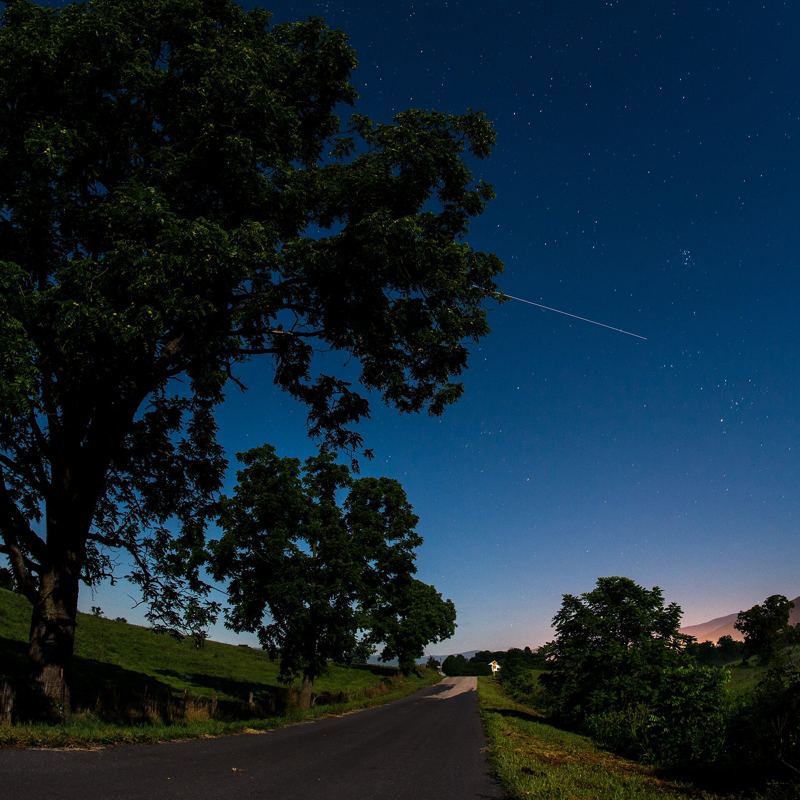
How to see the International Space Station from your garden
When and where to look for the International Space Station, what a pass looks like, how to read pass predictions, and why some evenings have no passes at all.
 ORBITS EXPLAINED
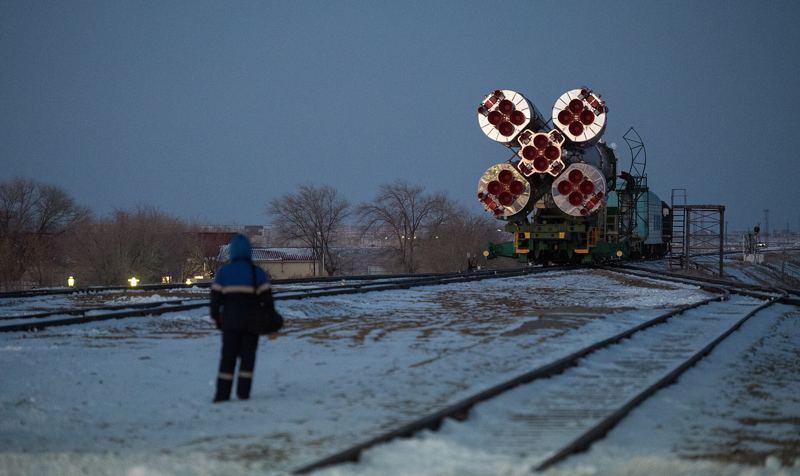
Why the space station's orbit is tilted 51.6 degrees
What orbital inclination means, why a launch site's latitude limits which orbits are easy to reach, and how the International Space Station ended up at 51.6 degrees, with what that means for who can see it.
 HOW TRACKING WORKS
Two-line element sets explained: how satellite predictions work and why they age
What a two-line element set (TLE) contains, how the SGP4 model turns it into a satellite position, what the epoch means, and why predictions become less reliable as the data ages.
 ORBITS EXPLAINED
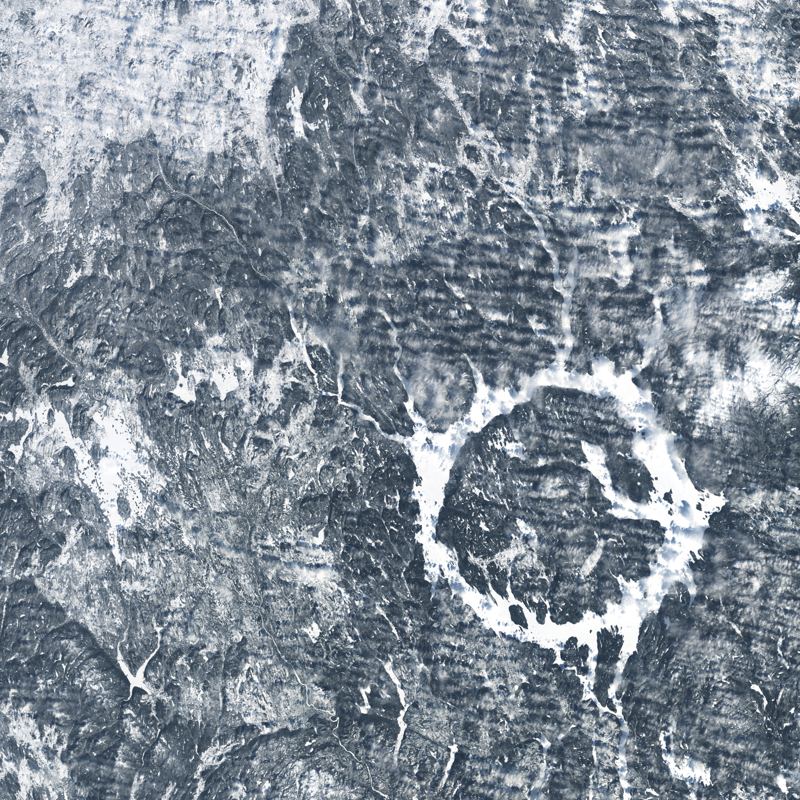
Sun-synchronous orbits: how Earth-watching satellites see every place at the same time of day
What a sun-synchronous orbit is, why satellites like Landsat 9 fly slightly backwards over the poles at 705 km, and why consistent lighting matters for comparing images over years.
 SPACE AND SOCIETY
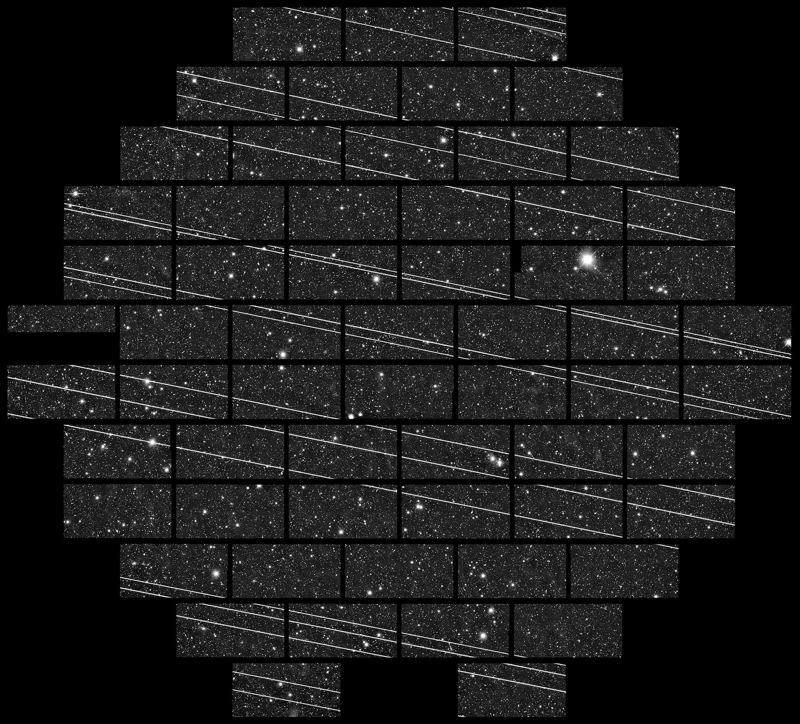
Satellite constellations and the night sky: what the streaks mean for astronomy
Why large satellite constellations leave streaks in telescope images, what astronomers and operators are doing about it, and what it means for anyone who simply enjoys looking up.
 SPACE AND SOCIETY
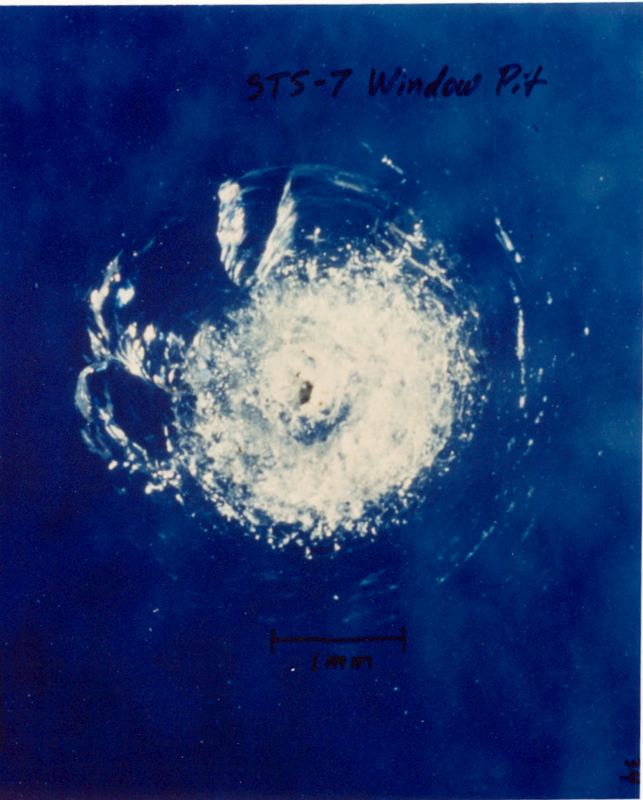
Space debris explained: what is up there, why it matters and what can be done
What space debris is, how much of it is tracked, how a paint fleck can crack a spacecraft window, what the Kessler syndrome means, and how agencies are trying to keep useful orbits open.
 ORBITS EXPLAINED
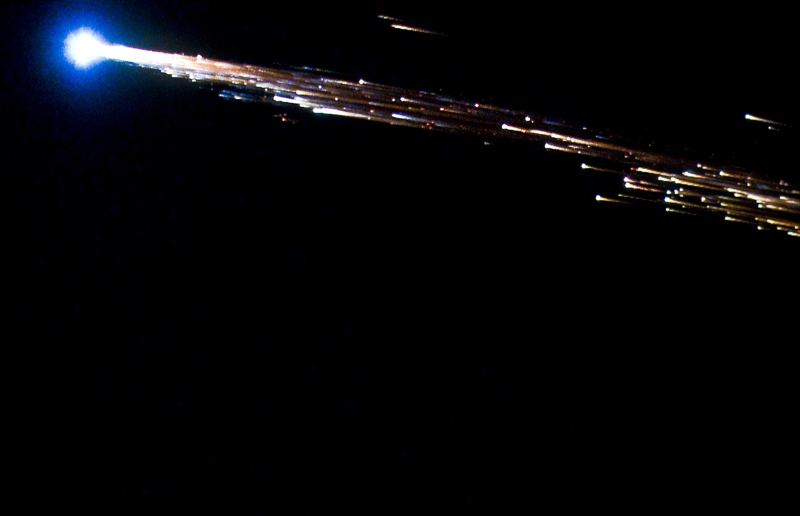
Where old satellites go: re-entry, Point Nemo and graveyard orbits
How satellites and rocket stages leave orbit, the difference between controlled and uncontrolled re-entry, why remote ocean areas like Point Nemo are used, and how the International Space Station will end its mission.
 ORBITS EXPLAINED
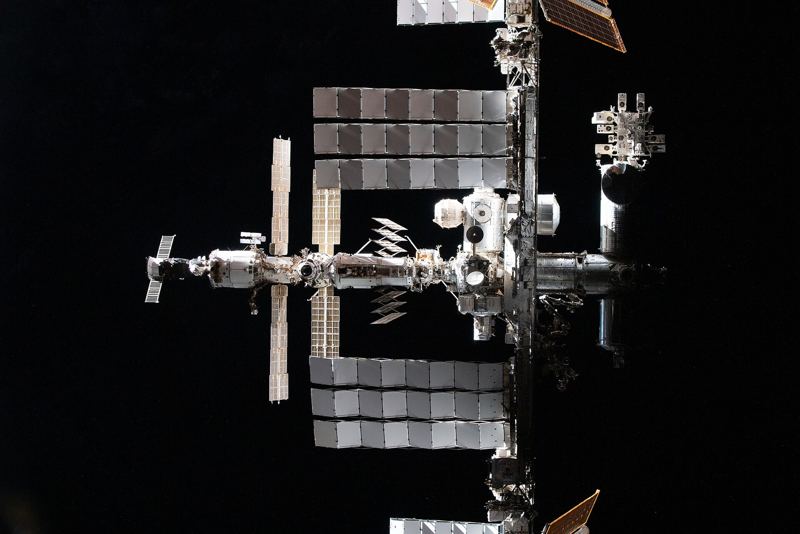
Why GPS flies 20,000 km up and the ISS only 400
Low, medium and geostationary orbits explained with satellites you already use.